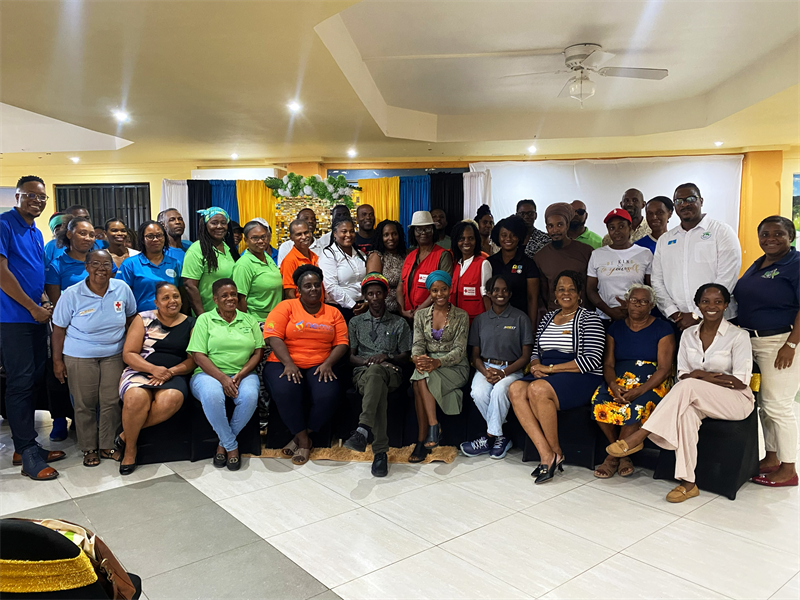
 On Thursday, February 26, 2026, the Saint Lucia National Conservation Fund (SLUNCF) brought together community leaders, government representatives, mentors, and development partners to celebrate the close of one of its flagship subgrants programmes. Hosted under the theme “Strengthening Communities, Building a Resilient Nation,” this Final Grantee Exchange and Closing Ceremony for one of the SLUNCF’s subgrant programmes was not simply a formal conclusion, it was a reflection of how targeted investment, strong partnerships, and community determination can create lasting change.
Over the life of the programme, 13 community-based organisations across Saint Lucia received a combined total of US$400,000 in funding through support from an international donor partner. These projects spanned the island from Castries East to Praslin, Laborie to Monchy and addressed critical areas including disaster risk reduction, sustainable agriculture, youth mentorship, climate-smart beekeeping, sea moss farming, water harvesting, slope stabilization, nature tourism, and the preservation of traditional agro-processing knowledge.
What made the closing ceremony particularly powerful was not just the numbers, but the stories behind them. Each grantee was given the opportunity to present its achievements, challenges, lessons learned, and best practices. Participants overwhelmingly identified these presentations as the most impactful segment of the day. Many noted that hearing directly from fellow community groups provided practical insights for managing operations, overcoming setbacks, and sustaining momentum. Others expressed pride in witnessing the diversity of initiatives unfolding across the island and celebrating collective progress.
The programme went beyond financial disbursement. A structured 12-month mentorship component paired community-based organisations with experienced mentors who provided guidance in governance, project management, reporting, and technical implementation. According to SLUNCF Programme Officer Ms. Diana Joseph, the emphasis on mentorship was deliberate. “This initiative was about strengthening institutions, not just funding activities. We wanted each organisation to grow in confidence, structure, and capacity. The progress we’ve seen demonstrates that when support is consistent and collaborative, communities thrive.”
Chief Executive Officer of SLUNCF, Mr. Craig Henry, reflected on the broader significance of the programme. “These 13 projects represent communities choosing to lead their own development,” he stated. “At the same time, SLUNCF has evolved. We have strengthened our grant-making systems, enhanced monitoring and evaluation, and deepened our partnerships. This experience has reinforced our commitment to sustainable financing that builds both biodiversity protection and community resilience.”
Representing the international donor agency, Mrs. Della Ashby commended the results achieved through the partnership. She highlighted the determination of the grantees and the ripple effect of investing in grassroots leadership. “When communities are empowered with resources and guidance, they create solutions that are rooted in their realities. The outcomes we’ve witnessed here will extend well beyond the duration of this programme.”
Across Saint Lucia, the tangible impacts are visible. Greenhouses and nurseries now support local food production. Rainwater harvesting systems strengthen resilience against drought and also slop stablisation in communities like Ravine Poisson. Youth mentorship initiatives provide guidance to at-risk boys like at the Laborie Boys Primary School. Disaster preparedness training has equipped households and schools with lifesaving knowledge across Castries East. Sea moss farmers have adopted improved methods that reduce losses from rough seas in Praslin. Beekeepers have expanded production and strengthened their enterprises in Choiseul and Micoud. Nature trails are being developed with biodiversity audits to support eco-tourism opportunities in Zenon. In each case, the projects reflect communities building resilience from within.
Strong representation from government ministries and supporting agencies at the closing ceremony underscored the collaborative spirit behind the initiative. The event also reaffirmed SLUNCF’s role as Saint Lucia’s national conservation trust fund an institution committed not only to conservation financing but to strengthening the systems and partnerships that make sustainable development possible.
While this funding cycle has formally concluded, the momentum continues. SLUNCF remains dedicated to mobilising sustainable financing for biodiversity conservation, climate resilience, and community-driven initiatives across the island. The organisation encourages community groups, stakeholders, and members of the public to stay connected and informed about upcoming programmes and opportunities.
Real Estate
